Background check red flags are defined as discrepancies, omissions, or concerning findings in a candidate’s screening report that signal potential risk to your organization. Employers and HR professionals who ignore these warning signs face legal liability, workplace safety issues, and costly bad hires. The Fair Credit Reporting Act (FCRA), EEOC guidance, and state fair chance laws all govern how you must handle these findings. The most common employment screening red flags include undisclosed criminal history, employment inconsistencies, failed drug tests, credential fraud, and negative references. Knowing how to spot red flags early and respond correctly protects your team and keeps your hiring process legally defensible.
1. What are the top background check red flags employers should never ignore?
The five most consequential warning signs in background reports each carry distinct risks. Understanding them individually helps you respond with the right level of urgency.
-
Undisclosed criminal convictions. A candidate who fails to disclose a conviction that appears on their report raises an immediate integrity concern. The offense type matters. A fraud conviction for a bookkeeping role is directly job-related. A minor traffic offense for a desk job is not. Always assess job-relatedness and business necessity before acting.
-
Inconsistent employment history. Date mismatches, inflated job titles, and unexplained gaps all qualify as background check warning signs. A gap of a few months may reflect a layoff or family leave. A gap of over a year with no explanation warrants a direct conversation.
-
Failed or refused drug tests. In safety-sensitive industries like transportation, healthcare, and construction, drug test failures often require disqualification or mandatory review. A refusal to test carries the same weight as a positive result in most regulated industries.
-
Credential and education discrepancies. Falsified degrees, fabricated certifications, and unlicensed professional claims are deliberate misrepresentations. These are not minor errors. They indicate a candidate who is willing to deceive you to get hired.
-
Negative professional references. A reference who confirms termination for cause or describes serious misconduct provides insight that no document can. Negative references often surface risks that the formal record does not capture.
Pro Tip: Ask every reference the same structured questions. Inconsistent answers across references are themselves a red flag worth documenting.
2. How to evaluate and investigate employment background check concerns

Not every red flag is a disqualifier. Your job is to assess severity, gather context, and document your reasoning before making any hiring decision.
Step 1: Classify the discrepancy. Separate minor administrative errors from deliberate falsifications. A tenure mismatch of up to three months often requires documentation but not disqualification. A discrepancy over six months requires structured investigation before you move forward.
Step 2: Verify through primary sources. Contact former employers directly. Request payroll records, offer letters, or EPFO data when employment dates are disputed. For credentials, contact the issuing institution. Do not rely solely on what the candidate provides.
Step 3: Have a structured conversation with the candidate. Give them a chance to explain before you decide. Never interpret red flags in isolation. A candidate who proactively explains a gap or discrepancy and provides supporting documents is very different from one who deflects or changes their story.
Step 4: Assess job-relatedness. Ask whether the red flag is directly relevant to the role. A DUI conviction matters for a delivery driver. It matters far less for a remote software developer. EEOC guidance requires this analysis for criminal history findings.
Step 5: Document everything. Record what you found, what you asked, what the candidate said, and how you weighed the evidence. This documentation is your defense if a hiring decision is ever challenged.
Pro Tip: Rehabilitation evidence counts. A candidate with a decade-old conviction who has maintained steady employment since then presents a very different risk profile than one with a recent offense.
3. What legal compliance steps must employers follow when red flags appear?
FCRA compliance is not optional. Skipping steps exposes your organization to class action lawsuits, with statutory penalties up to $1,000 per violation for willful FCRA disclosure failures. That adds up fast in a large hiring cycle.
The required adverse action process works like this:
- Send a pre-adverse action notice. Before you make a final decision, give the candidate a copy of the background report and a Summary of Rights under the FCRA.
- Wait the required period. FCRA mandates a waiting period of at least five days between the pre-adverse notice and your final decision. Use that time for individualized review, not just clock-watching.
- Allow the candidate to dispute. The candidate has the right to challenge inaccurate information in the report. You must give them a real opportunity to do so before you finalize your decision.
- Send the final adverse action notice. If you proceed with rejection, send a second notice confirming the decision, the reporting agency’s contact information, and the candidate’s right to request a free copy of the report.
Ban-the-box laws in many states and cities also delay when you can ask about criminal history. Check your jurisdiction before your application process even begins. Employers should run employee background checks legally by mapping their process to both federal FCRA rules and applicable state laws.
Treating FCRA compliance as a procedural afterthought invites litigation. Ongoing audits and legal reviews of your disclosure forms are not optional in 2026. Annual reviews by legal counsel, tracking key case law like Gilberg and Walker decisions, and coordinating with your screening vendor all reduce your exposure significantly.
4. How to handle specific red flags beyond the top five
Some background check pitfalls are less obvious but equally important to catch. Here is how to handle them.
-
Mismatched or unverifiable addresses. A candidate whose listed address does not match any verifiable record is a concern, especially for field or travel roles. Address discrepancies can signal attempts to conceal identity or location. For roles requiring geographic verification, investigate thoroughly before proceeding.
-
Frequent short job tenures. A pattern of roles lasting three to six months across multiple employers is worth discussing directly. One or two short stints may reflect layoffs or contract work. A consistent pattern across five or more roles suggests a retention problem worth understanding before you hire.
-
Credit history flags for finance roles. Significant debt, collections, or bankruptcies are relevant for roles involving financial oversight or access to company funds. They are not relevant for most other positions. Apply credit checks only where they are clearly job-related to avoid FCRA and EEOC exposure.
-
Unverifiable online credentials. Certifications listed on a resume that cannot be confirmed through the issuing body are a direct red flag. This includes online course certificates from platforms that do not maintain verifiable records. Ask for the original certificate and verify independently.
-
Social media concerns. Public posts showing discriminatory language, threats, or behavior that directly contradicts the role’s requirements are worth noting. Document your reasoning carefully and apply the same standard to every candidate to avoid discrimination claims.
Pro Tip: Build red flag review checkpoints directly into your applicant tracking system. Automated flags for missing verification responses or expired waiting periods prevent compliance gaps from slipping through.
Integrating these checks into a consistent background check workflow reduces the chance that a less obvious warning sign gets overlooked under hiring pressure.
Key takeaways
Defensible hiring decisions require structured red flag evaluation, documented individualized assessments, and full FCRA adverse action compliance before any rejection is finalized.
| Point | Details |
|---|---|
| Red flags require context | Assess every finding against job-relatedness and business necessity before deciding. |
| FCRA process is mandatory | Send pre-adverse notice, wait the required period, and allow candidate disputes before finalizing. |
| Document every step | Written records of your assessment and reasoning protect you if a decision is challenged. |
| Severity determines urgency | Tenure gaps under three months need documentation; gaps over six months need investigation. |
| Annual compliance audits matter | Review FCRA disclosure forms yearly and track current case law to reduce litigation risk. |
The part of background screening most HR teams get wrong
Here is what I have observed after reviewing dozens of screening programs: most HR teams treat the background check as the finish line. They get the report, spot a flag, and move straight to rejection. That is the wrong sequence, and it is the one that generates the most legal exposure.
The real work starts when the flag appears. A structured conversation with the candidate, a call to the former employer, a request for a pay stub or offer letter. These steps take time, but they are what separate a defensible decision from a lawsuit waiting to happen.
The other pattern I see constantly is over-reliance on a single data point. A criminal record from 12 years ago, a one-month employment gap, a degree from a school that closed. None of these are automatic disqualifiers. Context is everything. The EEOC has been explicit about this for years, and courts keep reinforcing it.
The employers who get this right build a process, not a gut-check. They train their HR teams on individualized assessment. They audit their FCRA forms every year. They treat compliance as a system, not a checkbox. That is the standard worth building toward.
— TechStackTeam
Protecting your hiring process starts with the right tools
Running a compliant, thorough background check program is hard to do manually at scale. The risk of missing a step in the FCRA adverse action process, or overlooking a credential discrepancy under time pressure, is real.
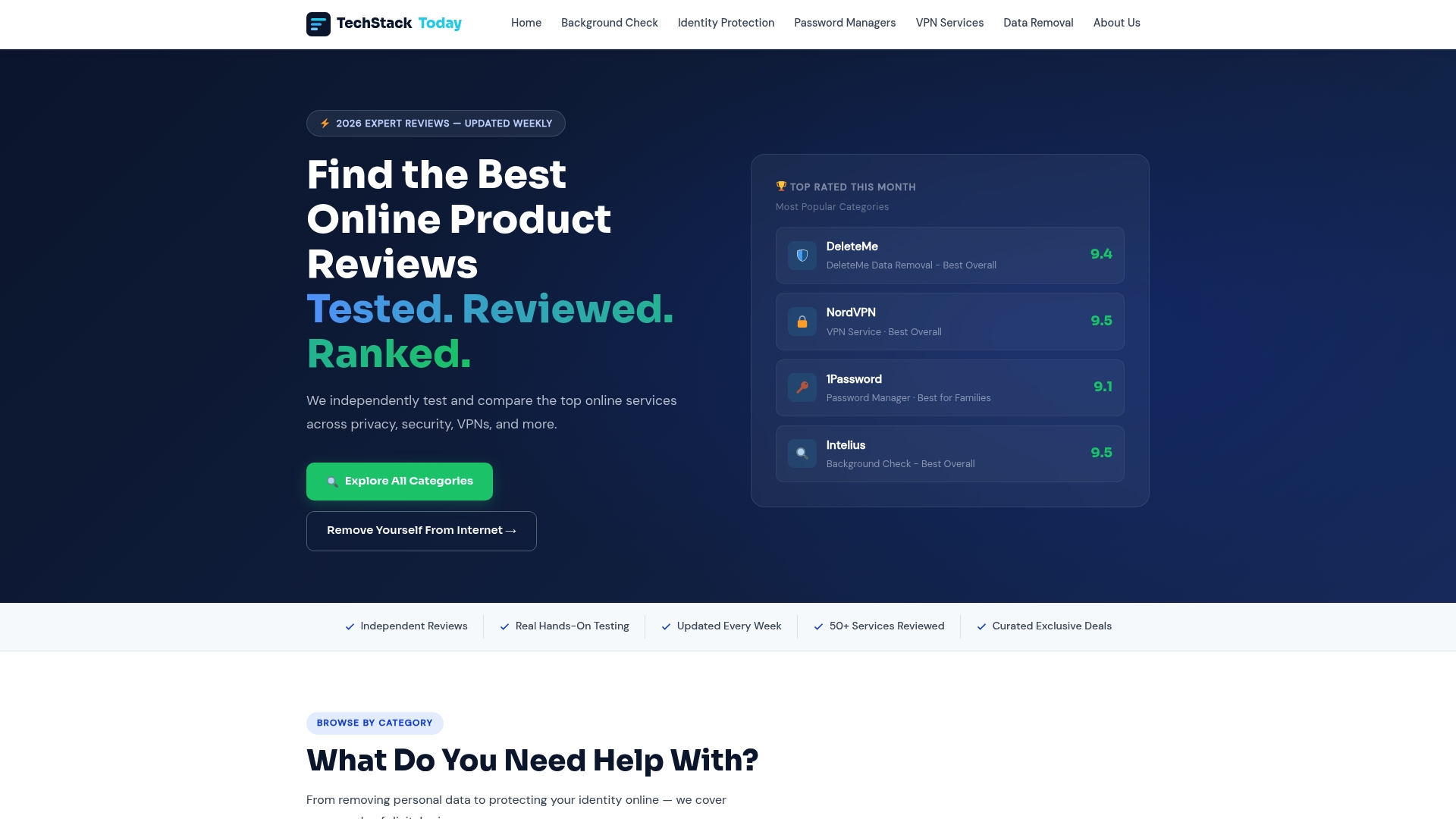
Techstacktoday reviews and ranks background check services based on hands-on testing, not paid placements. The focus is on platforms that support individualized assessment workflows, built-in adverse action timing, and audit trail documentation. If you want to know which services actually hold up under compliance pressure, the background check services ranked by Techstacktoday give you a clear, unbiased starting point. You can also protect candidate data throughout the process by understanding how data removal tools work for sensitive personal information.
FAQ
What automatically disqualifies a candidate on a background check?
No finding is an automatic disqualifier under FCRA and EEOC guidance. Employers must conduct an individualized assessment weighing job-relatedness, the nature of the offense, and time elapsed before making any adverse decision.
How long must employers wait after sending a pre-adverse notice?
The FCRA requires a minimum five-day waiting period between the pre-adverse notice and the final adverse action, giving candidates time to dispute inaccurate information.
Are employment gaps always a red flag in hiring?
Short gaps of one to three months are common and rarely disqualifying. Gaps exceeding six months with no explanation warrant a direct conversation and documented investigation before a hiring decision is made.
What is ban-the-box and how does it affect background checks?
Ban-the-box laws prohibit employers from asking about criminal history on job applications. These laws vary by state and city, and they delay when criminal background information can be considered in the hiring process.
How often should employers update their FCRA disclosure forms?
Employers should review FCRA disclosure forms annually with legal counsel to reflect current case law and reduce the risk of costly class action litigation from technical violations.