Expect to pay nothing if you handle removals yourself, $19.99 to $249 a year for a low-cost subscription, $60 to $300 a year for mid-tier monitoring plans, and hundreds to over $1,000 a year for concierge-level service. Legal removals for mugshots or defamatory news can run into the thousands per item. DIY works if you have a few hours a month; a subscription makes sense if you want ongoing coverage without doing the work yourself. Either way, treat this as recurring maintenance, not a one-time fix.
TL;DR:
- Automated services cover hundreds of sites but often miss complex removals requiring human intervention, affecting overall success rates.
- Monitoring frequency influences long-term effectiveness, with quarterly scans providing better ongoing coverage than annual checks.
- Performance varies more by provider than by price, with some services achieving around 65% removal success, regardless of cost.
- Legal removals for sensitive content like mugshots or defamatory news can cost thousands per case and take weeks or months to complete.
- DIY removal is feasible for small-scale cases but requires ongoing effort and rechecking, making paid services more suitable for persistent or complex issues.
Table of Contents
- Pricing Overview: What Different Budgets Actually Buy
- Service Models and How Billing Actually Works
- What Actually Drives the Price Difference
- What the Research Says About Results and Maintenance
- The DIY Route and Low-Cost Backups
- How to Choose the Right Price Point for Your Situation
- Real-World Budgets for Three Common Situations
- Our Honest Take on Paying Versus DIY
- Compare Your Options Before You Commit
- FAQ
- Sources
Pricing Overview: What Different Budgets Actually Buy
Your money buys you one of four things: your own time, automated scanning, human follow-up, or legal muscle. Knowing which tier you’re paying for keeps you from overpaying for automation or underpaying for a problem that needs a person.
Free or DIY costs no money but a real amount of time. You identify which people-search sites list you, submit opt-out requests one by one, and check back periodically to confirm removal. Expect several hours spread over weeks, with results that depend entirely on your follow-through. Our DIY removal guide walks through the process if you’d rather skip the subscription fee.
Low-cost subscriptions run $19.99 to $249 a year, a range Consumer Reports found when it tested removal services for scanning and opt-out coverage. These plans automate requests to data brokers and rescan periodically, but they rarely include a human checking whether a listing actually came down.
Mid-tier plans land between $60 and $300 a year and typically add manual intervention for stubborn listings, more frequent rescans, and broader broker coverage. This is where paid tiers start funding actual human outreach rather than pure automation, which is part of why the price climbs.

Premium or concierge services can cost several hundred dollars up to $1,000 or more a year. These plans lean heavily on dedicated human agents who track down listings automated tools miss, follow up with brokers directly, and handle complex cases like aliases or old addresses tied to your name.
Legal removals, usually for mugshots, revenge content, or defamatory articles, operate outside the subscription model entirely. Law firms and specialized removal attorneys often charge per article or per case, with costs reaching into the thousands depending on complexity and the site’s cooperation.
| Tier | Typical cost | What’s included |
|---|---|---|
| DIY | $0 | Your own time submitting opt-out requests |
| Low-cost subscription | $19.99–$249/year | Automated scans and opt-outs |
| Mid-tier | $60–$300/year | Automation plus some manual follow-up |
| Premium/concierge | $300–$1,000+/year | Dedicated human agents, broader coverage |
| Legal/pay-for-result | Thousands per item | Attorney-led takedowns for news or mugshots |
- Most subscriptions bill annually, with monthly options usually costing more over a year.
- One-time fees show up mainly with legal takedowns, not with standard broker removal.
- Renewal pricing can differ from the first-year promotional rate, so check before you commit.
Service Models and How Billing Actually Works
Every data removal service falls into one of a few billing structures, and understanding which one you’re buying determines whether the price feels fair.
Automated subscription services scan a list of broker sites on a schedule and fire off opt-out requests when your information appears. They’re affordable and hands-off, but automation can miss sites that require manual forms, CAPTCHA verification, or phone calls. You’re paying for coverage breadth, not guaranteed removal.
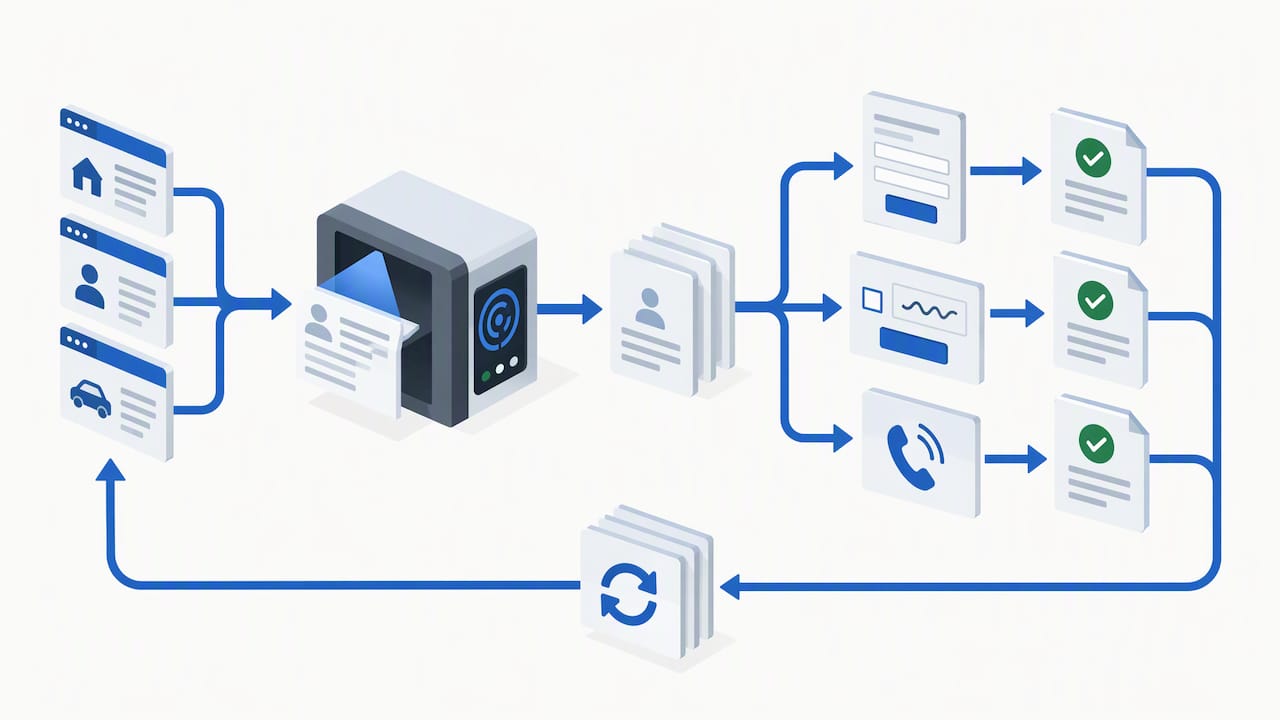
Concierge or manual cleanup services put a real person behind the requests. This costs more because labor costs more, but it covers brokers that resist automated opt-outs and can handle edge cases like name variations or family members’ linked records. Expect concierge tiers to sit at the higher end of the mid-tier range or into premium pricing.
Pay-for-result and legal services charge per successful removal rather than a flat subscription. This model shows up most often with news articles, mugshot sites, and content a lawyer needs to formally request be taken down. Expect per-article costs to run into the thousands, since the work often involves legal correspondence rather than a simple opt-out form.
- Automated plans: lower cost, broader but shallower coverage, best for people-search sites.
- Concierge plans: higher cost, deeper follow-up, better for stubborn or complex listings.
- Pay-for-result/legal: highest per-item cost, reserved for defamatory or legally actionable content.
Pro Tip: Check whether a plan’s price includes rescans, since a single opt-out without ongoing monitoring tends to lose its value within months as brokers refresh their listings.
Monitoring cadence matters as much as the initial price tag. A service that scans once a year costs less but leaves gaps where your data can reappear unnoticed. Services that scan monthly or quarterly and promise a response window for reappearances justify a higher price, assuming they actually deliver on that cadence.
What Actually Drives the Price Difference
Two services at the same price point can deliver very different results, and the gap usually comes down to five factors worth checking before you pay.
- Reach: how many broker and people-search sites the service actually covers, since a plan targeting 50 sites will miss listings one covering 200 catches.
- Methodology: whether removals rely on pure automation, human outreach, or legal escalation, which directly affects both cost and how stubborn listings get handled.
- Monitoring cadence: how often the service rescans for reappearances, since brokers routinely relist data months after a successful opt-out.
- Reporting transparency: whether you get a sample report showing exactly what was found and removed, or just a vague dashboard with no specifics.
- Scope of data covered: whether the service addresses people-search sites alone or also touches public records and news mentions, which it usually cannot fully remove.
Reach and methodology tend to move together. A service that covers hundreds of sites but relies entirely on automated form submissions will struggle with the sites that require manual verification, so a bigger number on the marketing page doesn’t always mean better coverage in practice.
Reporting is the easiest factor to check before you buy. A legitimate service should be able to show you a sample report with real listing names and removal dates, not just a generic screenshot. If a provider can’t produce one, treat that as a sign to look elsewhere.
Scope matters most for setting expectations. Government records, court filings, and most news archives sit outside what any removal service, no matter the price, can touch. If your main concern is a public record, a $1,000 plan won’t help any more than a $20 one. Our breakdown of what gets suppressed and what doesn’t covers this in more detail.
What the Research Says About Results and Maintenance
Here’s the honest answer: paying more buys you convenience and persistence, not a guarantee. When Consumer Reports tested removal services, results varied enormously between providers at similar price points.
The data: Optery and EasyOptOuts led the field. Consumer Reports found EasyOptOuts achieved removal success rates in the mid-60th percentile after four months, and Optery reached a slightly higher success rate, while some other tested services managed low single-digit percentages over the same period. Price alone didn’t predict performance.
That spread matters more than the sticker price. A $19.99-a-year plan that actually removes two-thirds of your listings beats a $249 plan that removes almost none. This is exactly why checking sample reports and third-party test results before subscribing pays off.
The FTC’s guidance on people-search sites reinforces a related limit: these services target data brokers and people-search sites, not government records or most public filings. No subscription, regardless of price, reaches into court records or voter rolls.
Paid services’ main value is convenience and persistence rather than guaranteed erasure.
That framing, echoed in independent reporting on the industry, is the right lens for budgeting. You’re not buying a permanent fix. You’re buying someone or something to keep checking and resubmitting requests as brokers relist your data, which they routinely do within months of a successful opt-out.
Hands-on testing across privacy services shows that performance varies more by provider than by price tier, and marketing claims rarely match actual removal rates without independent verification. When you compare services, weigh published test results over promotional language, and budget for renewal rather than expecting a single payment to solve the problem permanently.
The DIY Route and Low-Cost Backups
If you’re working with no budget, a manual opt-out campaign is genuinely workable, just slower and more tedious than paying someone else to do it.
- Identify where you appear. Search your name, past addresses, and phone numbers across major people-search sites to see what’s listed.
- Submit opt-out requests. Most broker sites have a published opt-out form; some require email verification or a short waiting period.
- Verify removal. Recheck each site after the stated processing time, usually one to four weeks, to confirm the listing actually disappeared.
- Repeat on a schedule. Brokers often relist scraped data within months, so plan to redo this every few months.
Expect the first full pass to take several hours spread across a few weeks, mostly waiting on confirmation emails rather than active work.
Consumer Reports’ free Permission Slip tool automates opt-out requests at no cost, and its paid upgrade, Permission Slip Plus, costs $59.99 a year (or $4.99 a month) and extends coverage to over a hundred data brokers with less manual work on your end.
DIY tends to be enough if you’re mainly concerned with a handful of people-search listings and you’re willing to recheck periodically. It’s time to escalate to a paid monitoring plan once you’re dealing with dozens of sites, need faster turnaround, or simply don’t have the hours to spare. Our step-by-step removal guide covers the full workflow if you want to start today.
How to Choose the Right Price Point for Your Situation
Match your spending to your actual risk and time budget, not to whichever plan has the flashiest landing page.
- $0 to $50: Fine for light exposure, a handful of listings, and readers with time to spare on manual requests.
- $50 to $300: Reasonable for most people who want ongoing coverage without doing the legwork themselves.
- $300 and up: Justified for complex cases, high-profile exposure, or anyone who needs human follow-up on stubborn listings.
- Legal-level spending: Reserved for mugshot sites, defamatory articles, or content a standard opt-out request can’t touch.
Watch for a few red flags before signing up: hidden renewal pricing that jumps after the first term, no sample report showing real removals, and vague language about “hundreds of sites” with no actual list you can review.
Before paying, ask any provider directly: which sites and brokers do you cover, how often do you rescan, what’s your refund policy if removal rates fall short, and can you show evidence of a completed deletion rather than just a request submitted.
| Check this | Why it matters |
|---|---|
| Sample removal report | Confirms real results instead of marketing claims |
| Rescan frequency | Determines how fast relisted data gets caught |
| Refund or success policy | Signals confidence in actual performance |
| Coverage list | Shows whether your specific exposure is addressed |
After signing up, give the service 30 days, then ask for a status update or report. If you don’t see any confirmed removals by then, that’s a reasonable point to question whether the plan is worth renewing.
Real-World Budgets for Three Common Situations
Scenario A: light cleanup. Say you’re mostly listed on a few people-search sites and want a quick pass. Pairing a DIY opt-out round with a $20 to $60 a year subscription for ongoing rescans typically clears visible listings within four to eight weeks, with maintenance scans catching relists after that.
Scenario B: identity protection with monitoring. Say you want broader, hands-off coverage. A $60 to $300 a year plan with manual follow-up and quarterly rescans tends to deliver steadier results over time, since it catches reappearances automated-only plans miss.
Scenario C: mugshot or negative news removal. Say a mugshot or defamatory article is affecting your reputation. This usually requires a pay-for-result service or an attorney, with costs reaching into the thousands per piece and timelines stretching from several weeks to a few months depending on the site’s cooperation.
| Scenario | Budget | Timeline |
|---|---|---|
| Light cleanup (DIY + subscription) | $20–$60/year | 4 weeks initial, ongoing maintenance |
| Identity protection + monitoring | $60–$300/year | Ongoing, quarterly rescans |
| Mugshot/news removal (legal) | Thousands per item | Weeks to months |
Our Honest Take on Paying Versus DIY
Privacy services are tested hands-on by running real accounts through signup and opt-out processes rather than relying on vendor claims, with reviews updated regularly as providers change coverage or pricing.
Our honest take: most people overestimate what a subscription buys them and underestimate what free time and patience can accomplish. Paying makes sense when your time is worth more than the subscription fee, or when your exposure is complex enough that manual follow-up genuinely helps. If you’re weighing whether to spend anything at all, our breakdown of whether a data removal service is worth it walks through the trade-offs in more detail.
— TechStackTeam
Compare Your Options Before You Commit
Comparison guides exist to show what each provider covers, how often they rescan, and past test results before spending on a subscription.

If you’d rather handle removals yourself first and only pay once you hit a wall, our DIY removal walkthrough is the place to start. When you’re ready to compare paid plans side by side, our data removal worth-it breakdown lays out pricing and ROI so you can pick a plan that matches your budget and exposure level.
FAQ
Is a data removal service worth it?
It depends on your time and exposure: a subscription saves hours of manual work and adds ongoing monitoring, but testing shows results vary widely between providers. It’s generally worth it if you value convenience over doing opt-outs yourself.
Is there a free data removal service?
Yes, Consumer Reports offers Permission Slip as a free tool that automates opt-out requests to data brokers. A paid upgrade, Permission Slip Plus, adds broader coverage for $59.99 a year.
Which company is the best for data removal?
Performance varies more by provider than by price, with Consumer Reports testing showing some services reaching around 65% to 68% success while others lag far behind. Compare third-party test results and sample reports rather than relying on marketing claims before choosing a provider.
Can I hire someone to remove my information from the internet?
Yes, you can hire a subscription-based removal service, a concierge provider for manual follow-up, or an attorney for legal takedowns of content like mugshots or defamatory articles. The right choice depends on whether you’re dealing with routine broker listings or more serious reputational content.
Sources
- Services That Delete Your Data From People-Search Sites – Consumer Reports
- Introducing Permission Slip Plus – Innovation at Consumer Reports
- What To Know About People Search Sites That Sell Your Information | Consumer Advice – FTC
- Data removal services are mostly worthless, experts say – The Record