A credit freeze blocks lenders from pulling your credit report at all, which stops most new-account fraud cold. A fraud alert doesn’t block anything. It just forces a lender to verify your identity before approving credit in your name. If you’re a confirmed identity theft victim, freeze your credit now. If you just want a lighter layer of protection while you still plan to apply for loans, a fraud alert is the easier move. Both are free. Neither touches your credit score.
TL;DR:
- Fraud alerts are quicker and easier to set up, requiring only one bureau contact, but they do not block access to your credit report.
- Credit freezes block third-party access to your report entirely and require separate requests to each bureau, taking up to three business days to process.
- Both tools are free and do not impact your credit score, but a freeze remains until you remove it, while a fraud alert lasts for a federally specified period.
- Freezes are most effective for confirmed identity theft victims, whereas alerts are suitable if you plan to apply for new credit soon.
- Neither tool protects existing accounts from scams or frauds like phishing, which require separate recovery actions.
Table of Contents
- Fraud Alert vs. Credit Freeze: The Quick Breakdown
- How a Fraud Alert and a Credit Freeze Actually Work
- How to Place or Lift Either One, Step by Step
- When to Pick a Fraud Alert vs. a Credit Freeze
- What Fraud Alerts and Freezes Don’t Cover
- Our Take: Stop Overthinking This Decision
- Beyond Freezes and Alerts: When You Need More Coverage
- Where to Go for Official Help
- Sources
Fraud Alert vs. Credit Freeze: The Quick Breakdown
Here’s the side-by-side you actually need before you pick up the phone or open a bureau’s website.
- Fraud alert: Tells lenders to verify your identity before opening new credit. Doesn’t block access to your report.
- Credit freeze: Blocks most third parties from viewing your credit report entirely, which stops new accounts from being opened.
- Who places it: Contact just one bureau for a fraud alert; that bureau must notify the other two. For a freeze, you contact Equifax, Experian, and TransUnion separately.
- Duration: Initial fraud alert lasts for a set period specified by federal guidelines. A credit freeze stays active until you remove it yourself.
- Speed: Freezes placed online or by phone process within one business day, and mailed requests can take up to three business days.
- Cost and credit score impact: Both are free under federal law, and neither one dings your score.
Pro Tip: If you’re mid mortgage or auto loan application and think you need a freeze, call your lender first and ask which bureau they pull from. You may only need to thaw one, not all three.
How a Fraud Alert and a Credit Freeze Actually Work
A fraud alert doesn’t lock the door. It puts a note on it. Lenders see the flag and are supposed to take extra steps to confirm you’re really you before extending credit. There are three types, and picking the wrong one wastes protection:
- Initial fraud alert: Lasts for a federally specified period and is free to renew. This is the default move after a breach notice or a lost wallet.
- Extended fraud alert: Lasts for a number of years as defined by federal law but requires an identity theft report, typically the one you generate through Identitytheft. This is for confirmed victims, not just the worried.
- Active-duty alert: Built for deployed servicemembers, lasting a federally specified term and renewable, since deployment makes it harder to monitor accounts day to day.
A credit freeze works differently. It locks your report so most lenders can’t see it, period, which means they can’t approve new credit in your name even if a scammer has your Social Security number. The catch: a freeze isn’t absolute. Current creditors managing your existing accounts, some government agencies, and companies you’ve already given written permission to can still access your frozen file. One bureau notifying the other two applies to fraud alerts, not freezes, which is the detail people get backward most often.
How to Place or Lift Either One, Step by Step
Acting fast matters here, and the process is simpler than most people expect.
- For a fraud alert: Contact one bureau (Equifax, Experian, or TransUnion) online or by phone. That bureau is required to alert the other two on your behalf.
- For a credit freeze: Contact each bureau separately, since there’s no single shared request.
- Check processing time: Online and phone requests must be handled within one business day; mailed requests can take up to three business days.
- Lifting a freeze: Online or phone unfreeze requests must be completed within one hour. Mail requests again take up to three business days.
- Have this ready: your Social Security number, current address, date of birth, and, for an extended alert, your identity theft report number.
Pro Tip: Don’t unfreeze all three bureaus just to apply for one loan. Ask the lender which bureau they use, thaw only that one, then refreeze it once the loan closes. Techstacktoday’s step-by-step fraud alert walkthrough and credit freeze guide both walk through the exact screens you’ll see at each bureau.
When to Pick a Fraud Alert vs. a Credit Freeze
Your decision comes down to one question: how soon do you expect to apply for credit?
- Choose a fraud alert if you got a breach notification or lost a wallet but plan to apply for a card, loan, or apartment lease in the next few months. Less friction, still meaningful protection.
- Choose a credit freeze if you’re a confirmed identity theft victim, or you simply don’t expect to need new credit anytime soon.
- Do both if you want maximum coverage. They stack. A freeze blocks report access, and an alert adds identity verification for anything that does get through an exception.
- Special cases: Parents can freeze a minor’s credit file since it should be empty. Seniors managing finances for aging relatives should consider freezes for accounts rarely used for new credit. Frequent movers and deployed servicemembers often lean on the active duty alert since it fits their situation better than managing freezes across moves.
What Fraud Alerts and Freezes Don’t Cover
Neither tool touches accounts you already have open. If a scammer gets into your existing credit card or bank login, a freeze or alert won’t stop them, since both tools only govern new credit applications. They also do nothing against phishing scams, tax fraud, or medical identity theft, which run through completely different channels.
If you’re dealing with any of that, skip straight to recovery mode:
- File a report at Identitytheft to get a personalized recovery plan.
- File a complaint through the FTC’s Reportfraud portal.
- Call your bank and credit card issuers directly to flag the accounts.
- Consider ongoing credit monitoring if the exposure involved a major data breach.
Techstacktoday’s identity theft recovery action plan breaks each of these into a checklist you can work through the same day.
Our Take: Stop Overthinking This Decision
Most people freeze their credit and never touch it again, which is exactly the point. Techstacktoday’s testing focus stays on the friction points bureaus don’t advertise: how long an unfreeze actually takes online versus what the confirmation email claims, and how many extra clicks each bureau buries in its process. Our practical rule holds up: freeze if you’re a confirmed victim, use an alert if you still need active credit access. Start with our fraud alert or credit freeze walkthroughs before you touch a bureau’s site.
— TechStackTeam
Beyond Freezes and Alerts: When You Need More Coverage
Fraud alerts and credit freezes stop new-account fraud, but they can’t pull your name, address, and phone number off the broker sites that sell that data to anyone willing to pay. That’s a separate problem, and it’s one a freeze was never built to solve.

If a breach notice made you realize how much of your personal information is already floating around public databases, a paid privacy service fills that gap. Techstacktoday tests these tools the same way it tests everything else: real accounts, real removal requests, timed results. Our breakdown of whether a data removal service is worth it walks through when ongoing monitoring makes sense versus when the free bureau tools are enough. If you’re ready to see what’s already exposed, start there and compare your options before you commit to a subscription.
Where to Go for Official Help
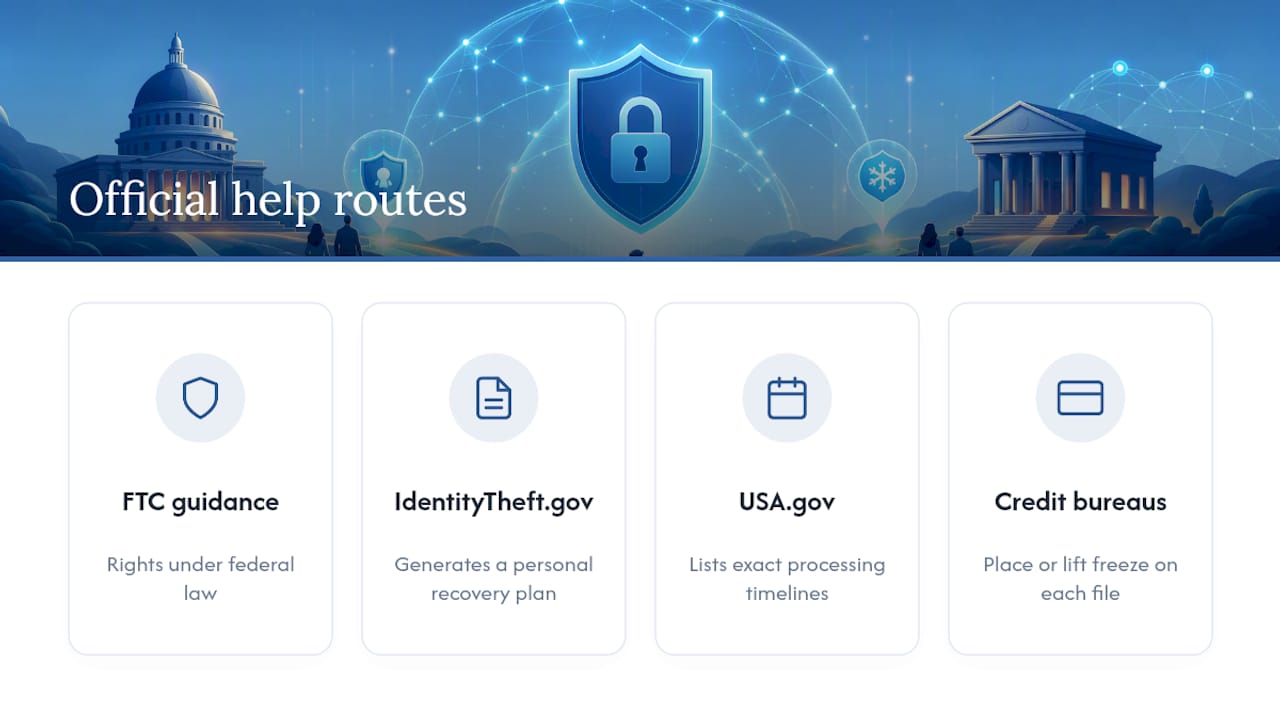
For direct action, the FTC’s credit freeze and fraud alert guide covers your rights under federal law. IdentityTheft.gov generates a personal recovery plan if you’ve been victimized. USA.gov’s freeze instructions list exact processing timelines. Contact Equifax, Experian, and TransUnion directly to place or lift a freeze on each file.
This article is general information, not a substitute for advice from a qualified financial advisor. Consult a qualified financial professional about your own circumstances before acting on anything here.